
For landowners
Across the United Kingdom.
A fixed-price offer for your land.
I pay for the planning work and take the risk that goes with it. The price is fixed in writing before you agree to anything, and paid if planning permission is granted. You are free to say no at any point.
This is the same explanation I would give over the phone, set down in one place so you can read it in your own time.
Weekdays 09:00 to 18:00. Leave a message and I will call you back within one working day.
Hayri Demirçapa
Founder & Architect, Laterna+Partners
Before you read on
Not one of those letters.
You probably get letters like this. Someone wants the garden that has become another job, the garage nobody uses, or the strip beside the house, and the figure they quote is rarely based on anything.
I write differently. I write to five landowners a week, and I have looked at each site before writing. I explain in plain terms what it could be worth with planning permission and what I am offering.
You do not owe me a reply. Doing nothing is a perfectly good answer, and I will not chase you for one.
How it works
Five steps.
-
Step 1
A conversation
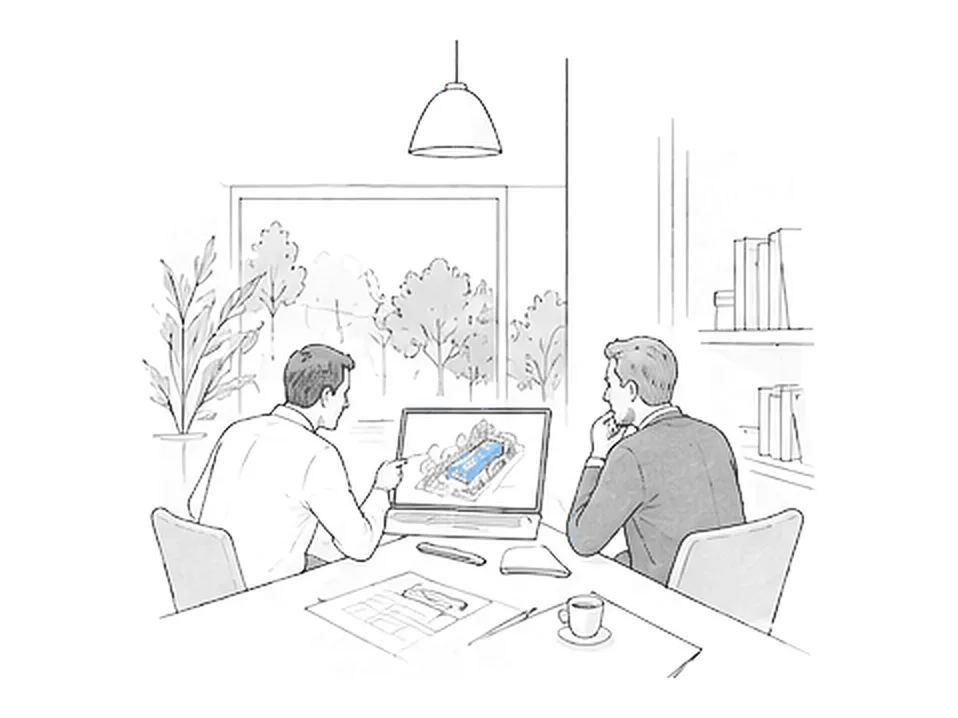
We talk on the phone or on WhatsApp about your site and what you would like to understand.
- Typical time
- 10 to 20 minutes.
- What it costs you
- Nothing. It is just a conversation.
-
Step 2
Appraisal and visit
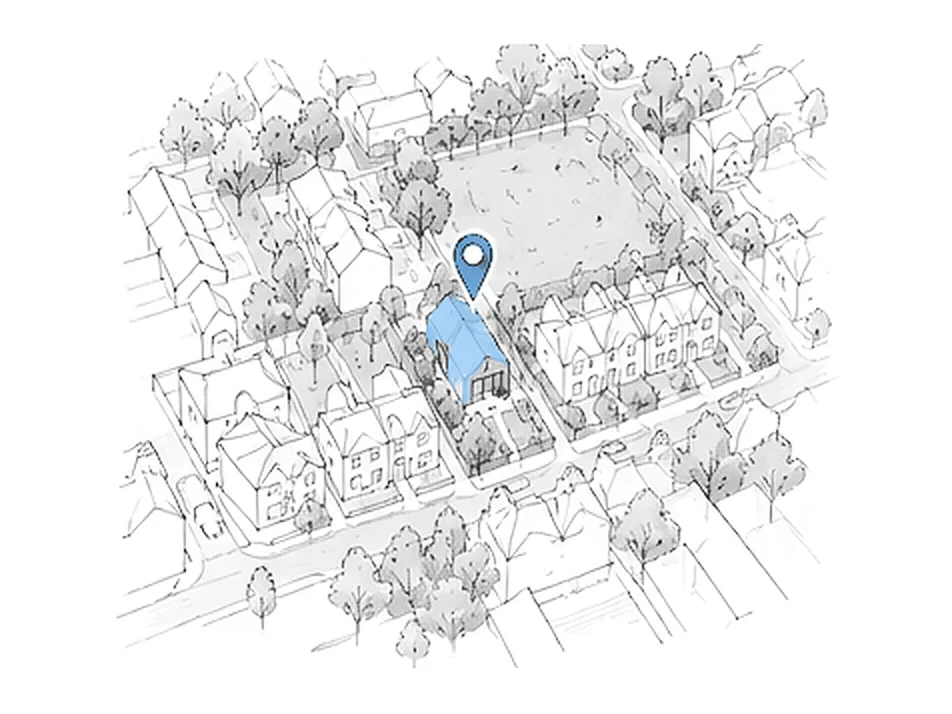
I research the planning history and local policy for your site, then visit in person if it looks promising.
- Typical time
- 2 to 4 weeks.
- What it costs you
- Nothing. I cover my own time and travel.
-
Step 3
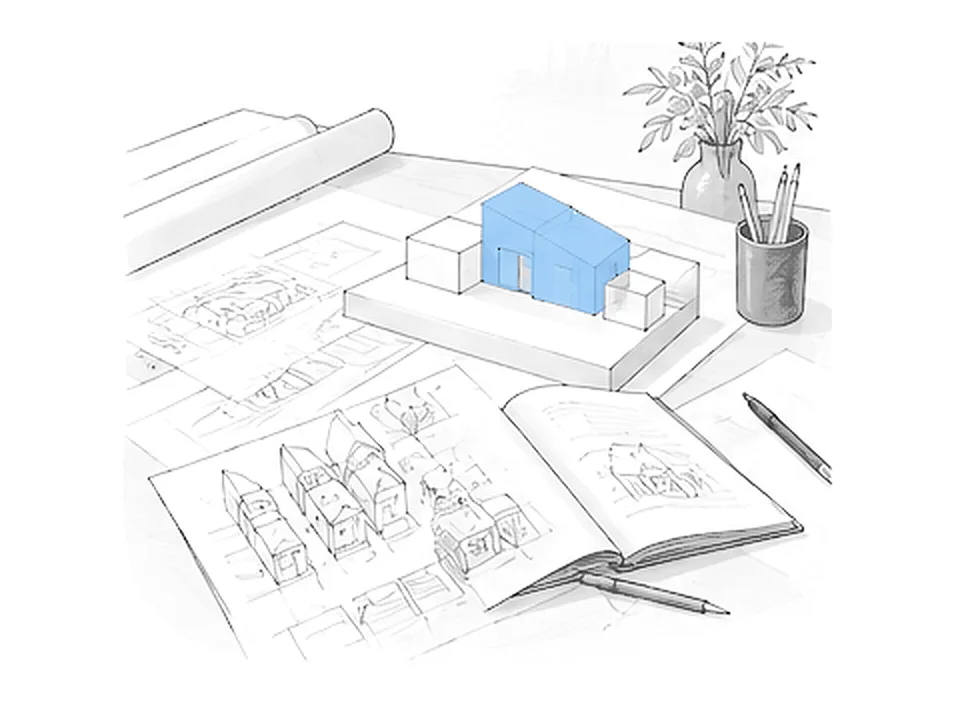
Offer and agreement
I put a fixed price to you in writing, and solicitors draw up the option agreement between us: a right to buy later, at the price fixed now.
- Typical time
- 4 to 8 weeks.
- What it costs you
- Your own solicitor’s fee for reviewing the agreement, and nothing else. Everything on my side is mine to pay.
-
Step 4
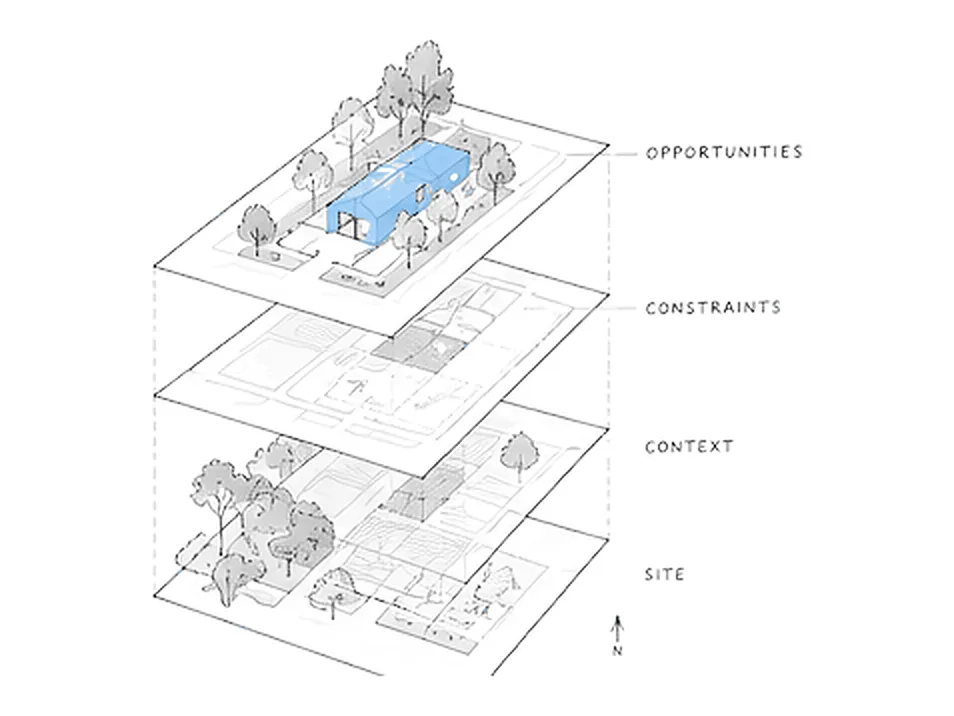
Planning
I submit and manage the planning application. The cost of it is carried on my side.
- Typical time
- 12 to 24 months.
- What it costs you
- Nothing. The planning costs are never yours.
-
Step 5
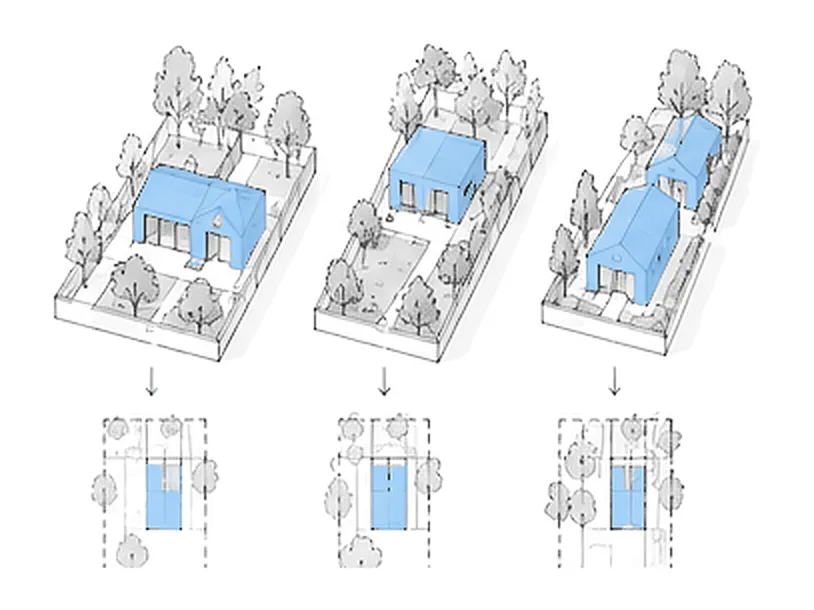
Completion or lapse
If consent is granted, I buy the land at the agreed price. If it is refused, the option lapses.
- Typical time
- 4 to 8 weeks after the decision.
- What it costs you
- Nothing further, whichever way it goes.
If I do not think your site is suitable, I will tell you honestly, rather than string things along.
Planning takes 12 to 24 months. Nothing is asked of you in that time, and you use the land exactly as you do now.
I cover the work. You keep the land. You decide.
What’s the catch?
What you give up by getting in touch.
Nothing.
No fee
You do not pay for the appraisal, the planning work or my time. Ever.
No obligation
Nothing is binding until you choose to sign; up to that point you can walk away at any time, for any reason.
No pressure
You see the agreed price before signing anything. The choice is yours.
No publicity
Every enquiry is treated in strict confidence. No mailing lists, no sharing.
The land stays yours. It changes hands only if you decide to proceed, at a price you agreed.
What I look for
Four kinds of site.
Every site is different, but most fall into one of these.
-
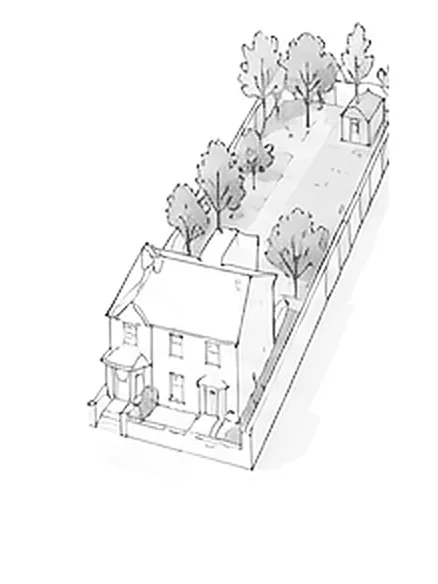
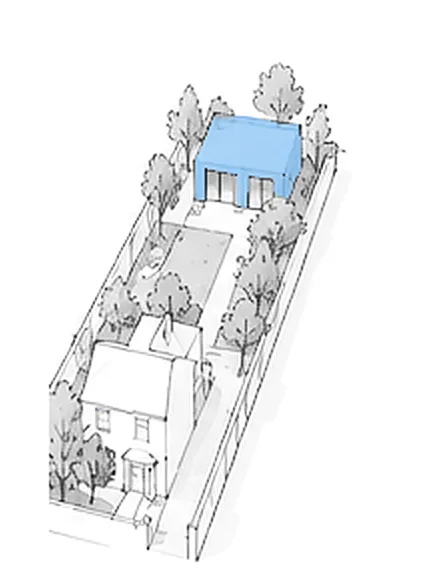
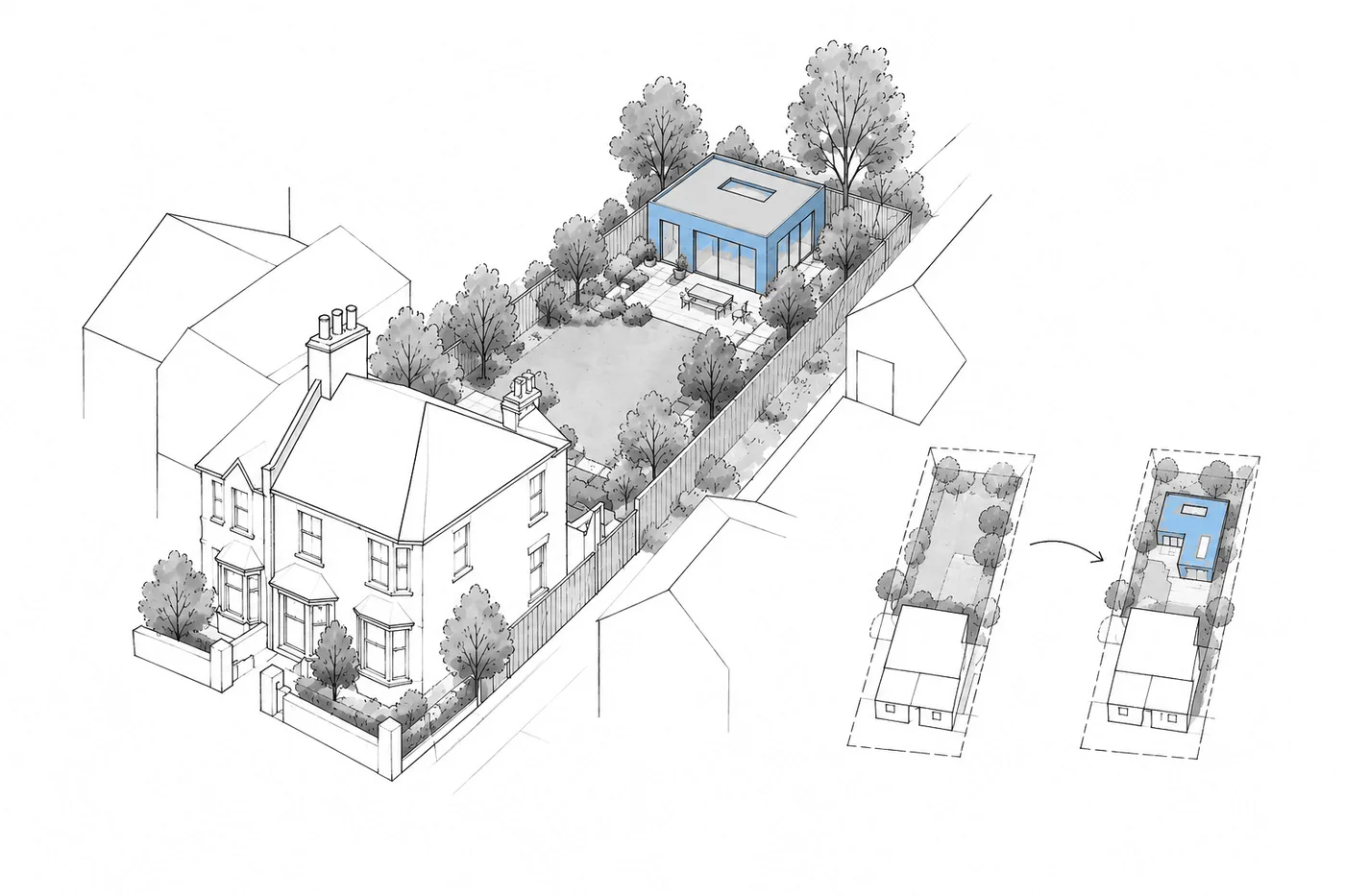
Illustrative Large gardens
A large garden, more lawn than anyone has time to enjoy.
Space for one or two new homes, with your own house untouched.
Tap Today to compare
-
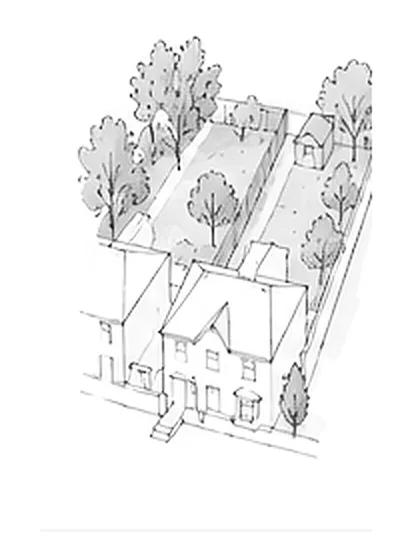
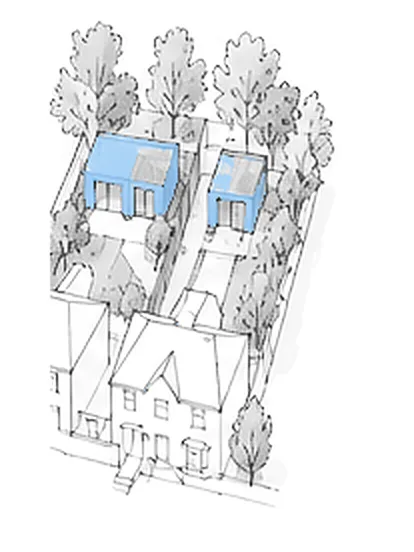
Illustrative Land behind houses
A patch of land behind the house, reached by a side passage or shared access.
A new home on land that was never really part of the garden you use.
-
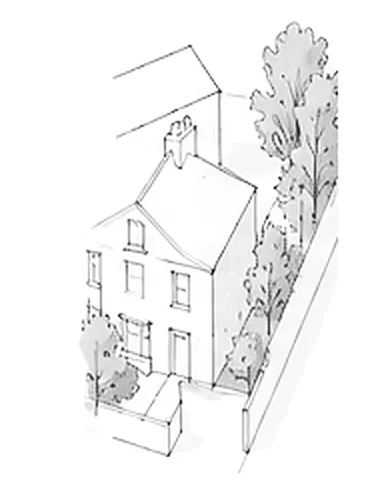
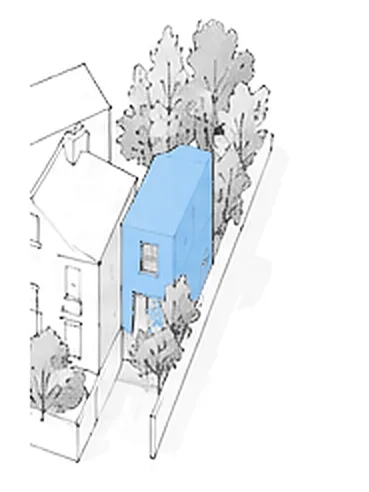
Illustrative Gaps between buildings
A gap between buildings, too narrow to do anything with on its own.
A single, well designed home that finally makes use of the space.
-
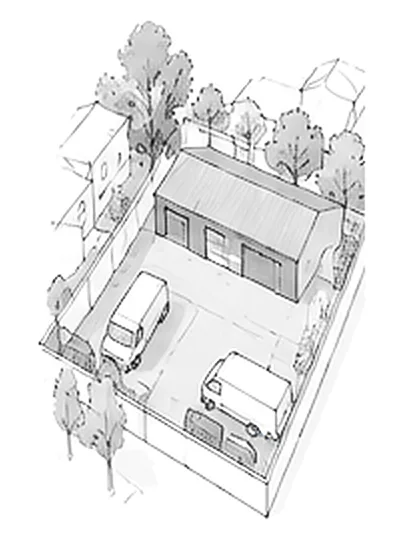
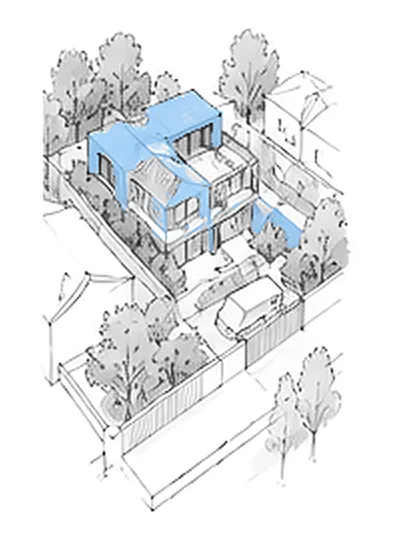
Illustrative Small commercial buildings and yards
A small shop, workshop or yard, doing modest business on valuable land.
New homes above or alongside the business, or in place of it.
Not sure? Send me the address and I will tell you either way.
About

Hayri Demirçapa
Founder & Architect
I am an architect by training, based in South West London. Most developers look at land and see what could be quickly built and sold. I tend to look at it the way an architect does: what could be designed there, who it could serve, what the right thing for this piece of ground might be.
I trained and qualified as an architect in Istanbul. In London I went on to manage the whole design process of residential projects worth £40m to £100m, which is where I learned to read a site properly before deciding what to do with it.
An application that respects its surroundings tends to get through the council's planning committee more easily than one that does not. For you, that matters directly. Planning permission is what turns my offer into money in your hands, not a promise on paper.
I keep the practice small on purpose. Every letter, every appraisal and every conversation runs through me, not a call centre or a case handler. The cost of the planning work is carried on my side, never yours.
Questions
What landowners ask.
The offer
The reference on your letter matches the badge at the top of this page, so you can check the two side by side. I am the founder of Laterna Partners Ltd, company number 11017779, registered in England and Wales. If you prefer another way to check, call the number on your letter, or look up Laterna Partners on LinkedIn.
Nothing for the planning. The appraisal, the site visit and the planning application are paid for on my side, never by you. The one cost on your side is your own solicitor’s fee for reviewing the option agreement; you choose and instruct them, and I would rather you had independent advice than none. If planning permission is refused, the option lapses and there is nothing further to pay.
That depends entirely on your site: its size, its access, and what planning policy allows nearby. I do not give a figure until I have researched your plot properly and visited it. Once I have, I put a fixed price to you in writing, before you agree to anything.
Ask what each offer actually depends on: a fixed price, or a share of profit that can shrink over time. Ask who pays for planning, and what happens if it is refused. Ask whether the person writing to you is easy to reach, and easy to check, the way I hope I am.
Yes, at any point before you sign the option agreement, with no penalty and no explanation needed. After signing, the agreement sets out what each of us has committed to, and I walk you through every line of it on the call and in the note before you sign.
Your land
Yes, completely. Nothing changes hands until planning permission is granted and you decide to proceed. You can carry on using the land exactly as you do now for as long as the planning process takes. The option agreement does not transfer ownership. It reserves the right to buy later, at the agreed price.
It can, in either direction, so it is worth thinking through properly before you decide. A well designed new home next door can be a neutral neighbour, or even an asset, if it is done thoughtfully. I am happy to talk through the specific layout for your garden before you commit to anything.
Mainly under-used land: large gardens, plots behind existing houses, gaps between buildings, and small commercial sites with yards attached. The common thread is potential that is not obvious from the road, but shows up once you look at planning policy. If you are unsure, send me the address.
Not from me. I treat every enquiry in strict confidence, and I do not discuss your site with neighbours or anyone else. Planning applications become public once submitted, as they are for any development. That stage is well down the line, and entirely your decision to reach.
The process
Yes. The option agreement is a legal document and you should have your own advice on it, from a solicitor you choose. You pay for yours and I pay for mine, so the person advising you answers to you alone.
The appraisal takes a few weeks. If the site looks promising, planning permission typically takes 12 to 24 months from when we agree terms. Some sites move faster, some slower, depending on the local authority and the complexity of the application.
Then the option lapses, and there is nothing further to pay. You keep the land, free to sell it, develop it yourself, or simply carry on as before. I will tell you honestly if a second attempt is worth making, or if it is time to stop.
Often, yes. Policy changes, local plans get updated, and a different approach to design can succeed where an earlier one did not. I would want to see the previous refusal and understand the reasons first. A past refusal is rarely the end of the story.
Not automatically. Green belt policy is restrictive, and most sites will not gain consent. There are recognised exceptions, and edge cases worth checking properly. Send me the details, and I will give you an honest view rather than a hopeful one.
Sometimes. Sometimes the consented site is sold to a builder who does. Either way your price is fixed in writing before we start, and my own role stays the same: finding the site, agreeing terms with you, and seeing the planning application through to a decision.
Get in touch
Start with a short call.
Ten minutes is usually enough. If you would rather write than call, use the form and I will come back to you within one working day. There is no script and no pressure, just a conversation about your site.
Thank you.
Your message has come straight to me, and I will reply within one working day.
The note on option agreements is on its way to your inbox.
Something to read later
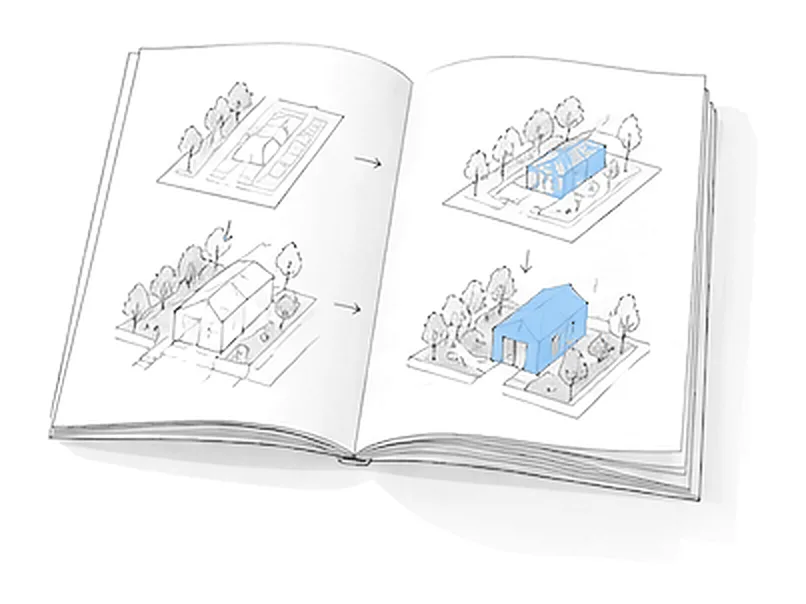
How option agreements actually work
A short note on how an option agreement actually works: what it commits each of us to, and what it leaves entirely up to you. It runs to six pages and covers most of the questions people ask me on a first call.
On its way.
Or download it now (PDF, six pages, 528 KB)